Born in Hertford
Deep Purple was formed in Hertford, north of London, in 1968.
Everything you need to know – and a bit more – about the band that defined hard rock.
Deep Purple was formed in Hertford, north of London, in 1968.
The name comes from the song “Deep Purple” – the favourite of Ritchie Blackmore's grandmother.
Hush (1968) was a cover of a Joe South song, and became the band's first big hit in the USA.
Jon Lord's Concerto for Group and Orchestra was performed with the Royal Philharmonic Orchestra at the Royal Albert Hall.
The live album Made in Japan (1972) was recorded in Osaka and Tokyo – counted among the best ever.
In 1972 the band made the Guinness Book of Records as the world's loudest band, after a concert in London.
Drummer Ian Paice is the only one who has been in every single line-up.
In front of several hundred thousand people, Ritchie Blackmore smashed a TV camera with his guitar.
A fake “Deep Purple” with Rod Evans as the only former member toured the USA – it ended up in court.
Deep Purple gave rise to Rainbow, Whitesnake, Gillan, Paice Ashton Lord and Black Country Communion.
The oldest fan site, The Highway Star, began as a FAQ written by Norwegian Trond Strøm.
The Smoke on the Water riff is probably the most played riff in guitar shops worldwide.
How Smoke on the Water came to be – from a burning casino to the most famous guitar riff of all time.
Frank Zappa and The Mothers of Invention play the casino in Montreux. Deep Purple are in town to record Machine Head there the next day.
Someone in the audience fires a flare gun at the ceiling. It catches fire, and the whole casino complex burns down.
From their hotel the band watches the smoke settle over Lake Geneva. Roger Glover gets the title Smoke on the Water – in a dream, he says.
Festival director Claude Nobs helps people out of the building – he becomes “Funky Claude” in the lyrics.
With no casino, the band records the album in the corridors of an empty hotel, using the Rolling Stones' mobile studio.
The quiz needs JavaScript.
The band is formed. The debut album and the hit Hush.
Deep Purple was put together in Hertford in spring 1968, with Rod Evans, Ritchie Blackmore, Jon Lord, Nick Simper and Ian Paice.
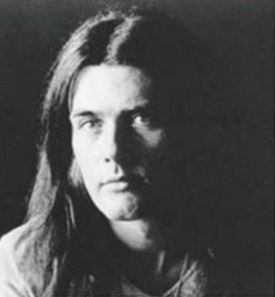
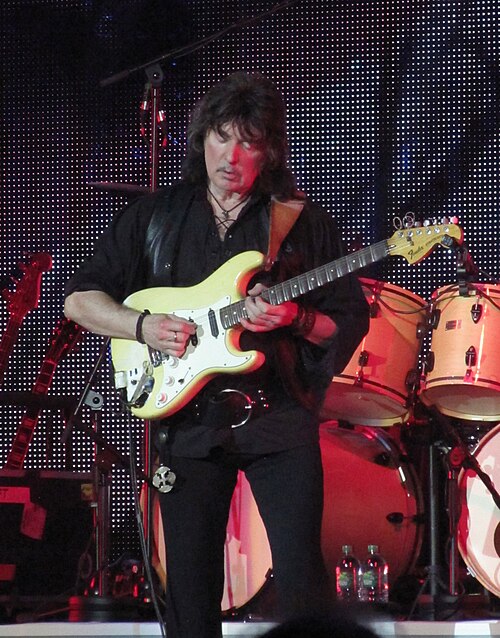
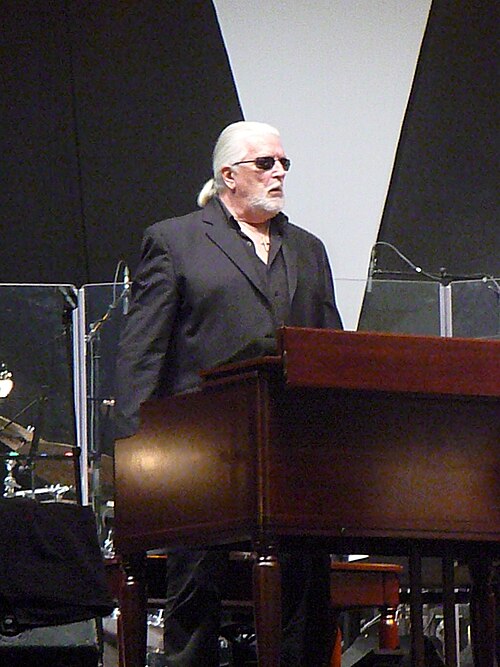
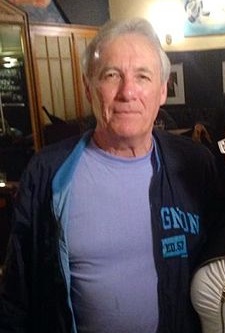
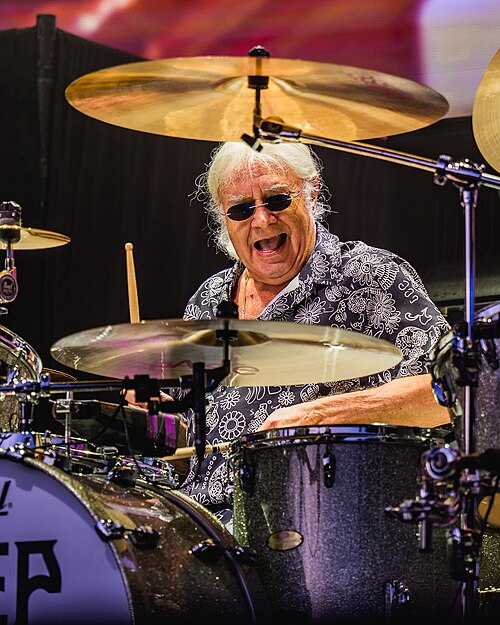
Gillan and Glover join – Mk II is born. Concerto for Group and Orchestra at the Royal Albert Hall.
The third album, Deep Purple, came out in June. That summer Rod Evans and Nick Simper were replaced by Ian Gillan and Roger Glover from the band…
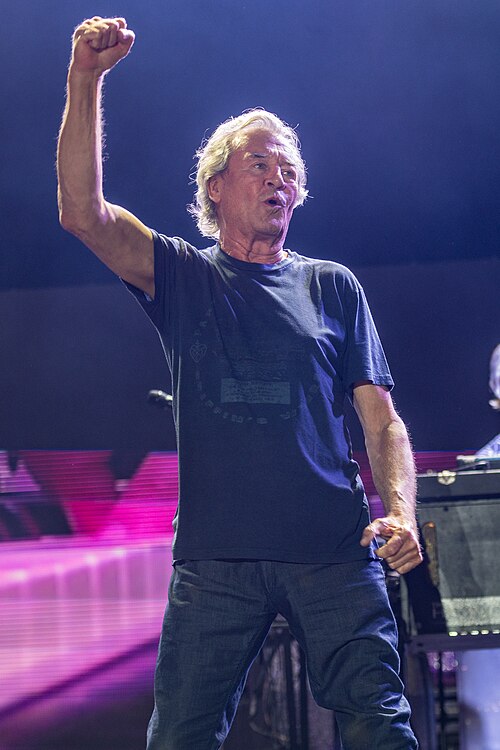
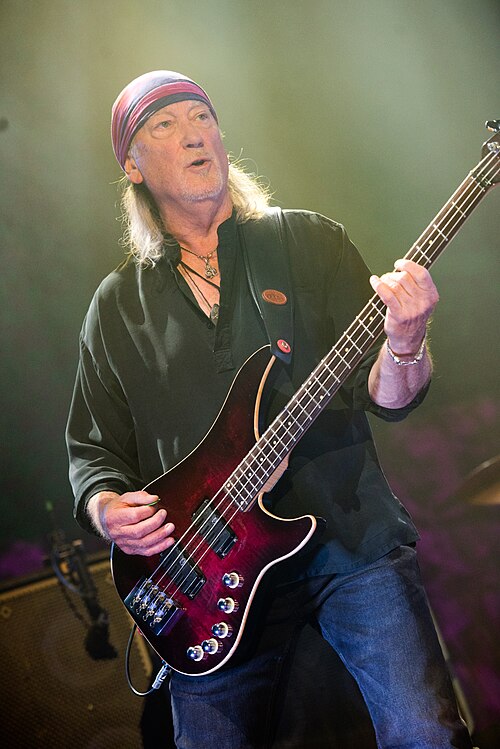
Deep Purple in Rock defines hard rock.
Deep Purple in Rock came out in June and set the direction: heavier, faster and louder.
Fireball – and the casino fire in Montreux.
Fireball topped the UK album chart, and Strange Kind of Woman was a hit.
Machine Head and Made in Japan.
Machine Head came out in March with Smoke on the Water, Highway Star, Lazy and Space Truckin'.
Gillan and Glover leave. Coverdale and Hughes join.
Who Do We Think We Are came out early in the year, with Woman from Tokyo.
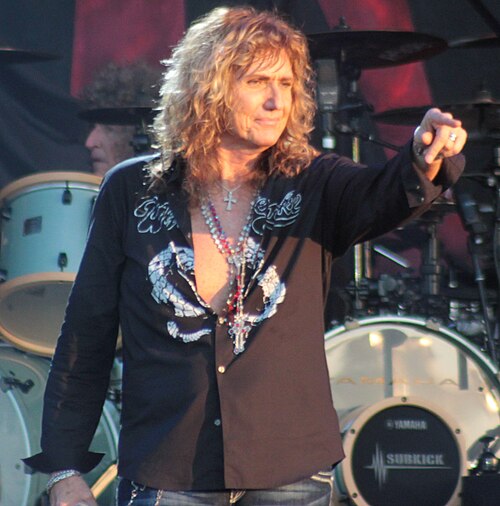
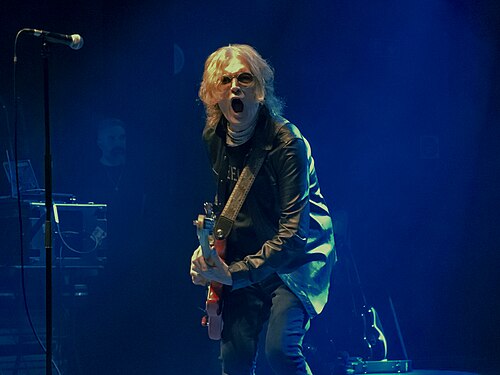
Burn, Stormbringer and California Jam.
Burn came out in February and showed a new Deep Purple with more soul and funk, and two singers.
Blackmore leaves and forms Rainbow. Tommy Bolin joins.
Ritchie Blackmore was unhappy with the new direction and left the band to form Rainbow with Ronnie James Dio.
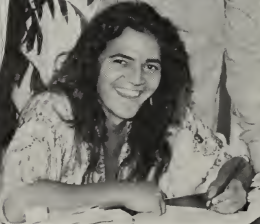
The band splits up. Bolin dies in December.
The tour after Come Taste the Band was hard going, and the band split up in summer 1976.
Mk II reunites with Perfect Strangers.
After an eight-year break, the classic Mk II line-up reunited.
The House of Blue Light.
The House of Blue Light came out in January 1987 – the second album after the reunion.
Slaves and Masters with Joe Lynn Turner.
Ian Gillan was fired in 1989, and Joe Lynn Turner from Rainbow took over the microphone.
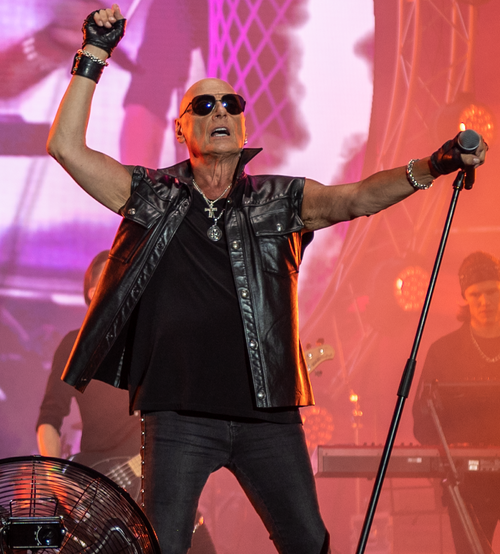
Blackmore leaves for good. Joe Satriani saves the tour.
Mk II came together one last time for The Battle Rages On…, released in July 1993.
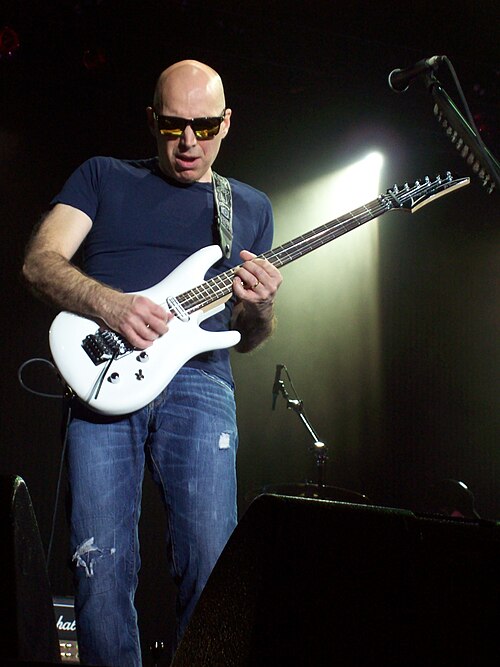
Steve Morse becomes the permanent guitarist.
Steve Morse from Dixie Dregs became the permanent guitarist.
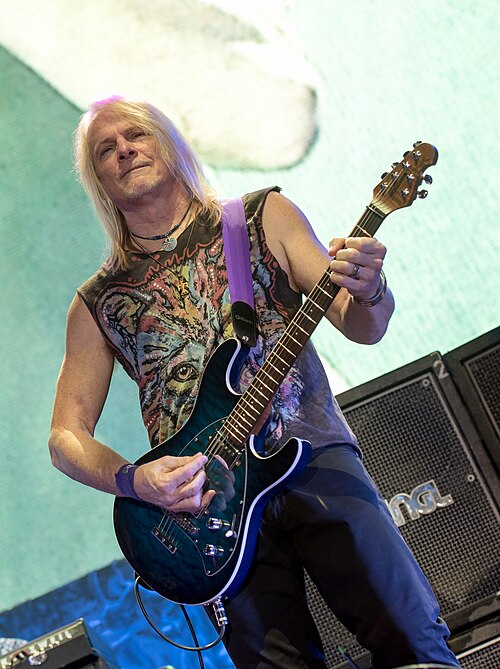
Purpendicular – a new lease of life with Morse.
Purpendicular was the first studio album with Steve Morse.
Abandon.
Abandon was the second album with Steve Morse – heavier and rougher than its predecessor.
Jon Lord retires, Don Airey takes over.
Jon Lord retired from the band to focus on his own music.
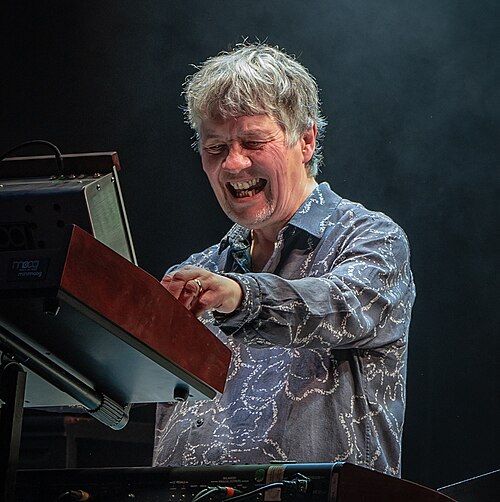
Bananas – the first album with Don Airey.
Bananas was the first album with Don Airey on keyboards.
Rapture of the Deep.
Rapture of the Deep came out in autumn 2005.
Jon Lord dies.
Jon Lord died on 16 July 2012 after an illness.
Now What?! – dedicated to Jon Lord.
Now What?! was produced by Bob Ezrin and dedicated to Jon Lord.
Inducted into the Rock and Roll Hall of Fame.
Deep Purple was inducted into the Rock and Roll Hall of Fame in April 2016.
Infinite and “The Long Goodbye” tour.
Infinite came out in spring 2017, again produced by Bob Ezrin.
Whoosh!
Whoosh! came out in August 2020, the third album in a row with Bob Ezrin.
Turning to Crime – an entire album of covers.
Turning to Crime consisted only of covers – the band “purpleised” favourites from the 1950s, 60s and 70s.
Simon McBride replaces Steve Morse.
Steve Morse left the band to care for his sick wife.
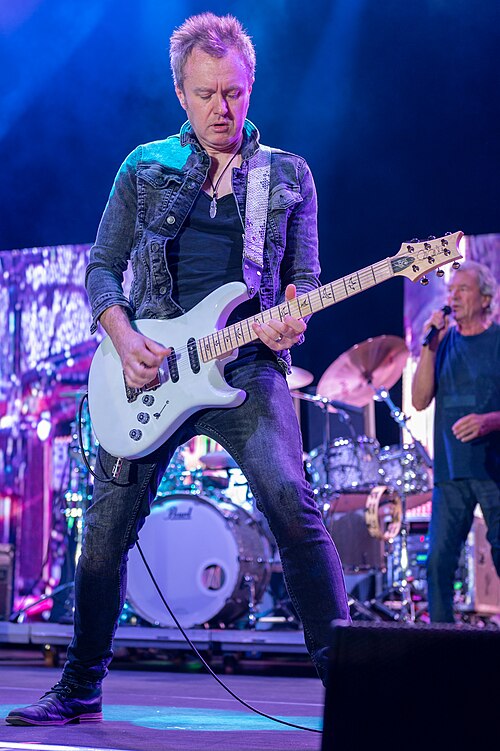
The album =1 is released.
The album =1 came out in summer 2024 – the first with Simon McBride.
Deep Purple are a British rock band formed in London in 1968. They are considered to be among the pioneers of heavy metal and modern hard rock, although their musical style has varied throughout their career. Originally formed as a psychedelic rock and progressive rock band, they shifted to a heavier sound with their 1970 album Deep Purple in Rock. Deep Purple have been referred to as being part of the "unholy trinity of British hard rock and heavy metal in the early to mid-'70s", alongside Led Zeppelin and Black Sabbath. Listed in the 1975 Guinness Book of World Records as "the globe's loudest band" for a 1972 concert at London's Rainbow Theatre, they have sold over 100 million records worldwide. Deep Purple have also generated several successful spinoff bands, including Rainbow, Whitesnake, and Gillan.